

Maruti Suzuki Fronx
Body Type: : Compact SUV
Brand : Maruti Suzuki
Views : 47

Description Overview
Introduction
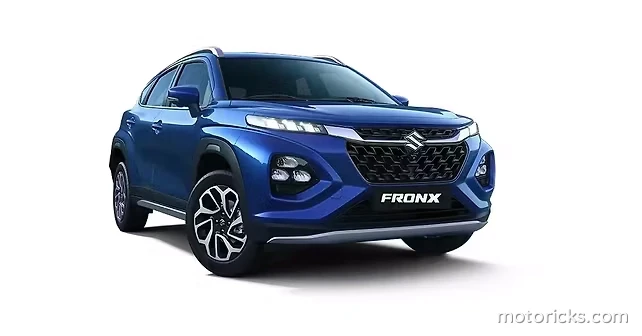
The Maruti Suzuki Fronx sold in 2026 remains the familiar Baleno-based, sub-four-metre crossover launched in 2023, rather than an all-new model or confirmed facelift. Available through NEXA in Sigma, Delta, Delta+, Zeta and Alpha trims, it combines hatchback-like ease of use with more expressive SUV-inspired styling and 190mm of ground clearance.
Its broad powertrain range includes naturally aspirated petrol, turbo-petrol and factory-CNG options. The Fronx sits between premium hatchbacks and conventional compact SUVs, appealing to buyers who value efficiency, manageable dimensions and Maruti’s extensive support network over a commanding driving position or serious off-road ability.
Exterior Design
The Fronx successfully hides much of its Baleno connection outside. A raised bonnet, wide NEXWave grille, split lighting, squared-off wheel arches and substantial lower cladding give the nose genuine presence. The falling roofline, linked rear-light design and sculpted tail create a sportier profile than most raised hatchbacks, although the sloping roof has consequences for rear headroom.
It measures 3,995mm in length, 1,765mm in width and 1,550mm in height, with a 2,520mm wheelbase. All versions use 195/60 R16 tyres; lower trims have steel wheels, while Delta+ and higher variants receive alloys. Its 190mm clearance is useful over rough roads, but this remains a front-wheel-drive urban crossover.
Interior & Comfort
The cabin borrows its dashboard, controls and overall architecture from the Baleno. Black-and-burgundy colours, a silver dashboard insert and freestanding touchscreen keep it contemporary, though the interior is less distinctive than the bodywork. The layout is easy to understand, frequently used functions fall readily to hand, and proper physical switches are retained for the climate control.
Softly padded front seats offer useful support, while the doors provide easy ingress. However, driver-seat height adjustment, reach adjustment for the steering and the sliding front armrest are limited to Zeta and Alpha. The seating position is only mildly elevated, so it will not satisfy buyers seeking the high, upright view associated with a traditional SUV.
Build Quality
Published road tests report consistent exterior panel gaps and satisfactory overall assembly. The bonnet and tailgate have reasonable weight, but the doors feel comparatively light. Maruti says the HEARTECT platform employs high- and ultra-high-tensile steel, although that claim should not be confused with an independent crash-test assessment.
Cabin fit and finish are acceptable for a value-focused Maruti, with neatly assembled controls and reasonably finished touchpoints. However, hard plastics dominate the dashboard and door areas, and details such as the basic roof liner expose cost control. Nothing feels unusually fragile in normal use, but the Fronx does not establish a new benchmark for perceived quality or richness in this segment.
Engine & Performance
The 1.2-litre, four-cylinder petrol makes 89.7PS and 113Nm, paired with a five-speed manual or five-speed AMT. It is smooth, quiet and linear, making it the sensible urban engine. Performance is adequate, though a full load or quick highway overtake requires planning. The CNG derivative produces 77.5PS and 98.5Nm in CNG mode and comes only with a manual gearbox.
The 1.0-litre, three-cylinder Boosterjet produces 100PS and 147.6Nm, with mild-hybrid assistance. Offered with a five-speed manual or smooth six-speed torque-converter automatic, it supplies stronger mid-range acceleration above roughly 2,000-2,500rpm. Road testers find it usefully energetic rather than startlingly fast. Automatic versions also provide paddle shifters.
Ride & Handling
Road tests find the Fronx well suited to typical Indian conditions. Its MacPherson-strut front and torsion-beam rear suspension absorb potholes and speed breakers effectively, aided by sensible tyre sidewalls and generous clearance. It feels mature over most urban surfaces, although it is firmer than the Baleno and can display some vertical movement on uneven roads.
The steering is light in town, and the 4.9-metre turning radius makes parking and U-turns uncomplicated. It gains enough weight at speed, while straight-line stability is reassuring for the class. Body roll remains reasonably controlled, but limited steering feedback around the centre means the Fronx feels safe and predictable rather than playful or enthusiast-oriented.
Fuel Efficiency
Certified efficiency stands at 21.79kmpl for the 1.2 manual and 22.89kmpl for the 1.2 AMT. The turbo delivers claimed figures of 21.5kmpl with the manual and 20.01kmpl with the automatic. The CNG manual is rated at 28.51km/kg. Petrol versions use a 37-litre tank, while the CNG car carries a 55-litre water-equivalent cylinder alongside its petrol supply.
In controlled road testing, the 1.2 manual returned approximately 13.5kmpl in the city and 20kmpl on the highway. Another test recorded around 14.25kmpl in town and 19.09kmpl on the highway from the turbo manual. Turbo consumption falls noticeably with aggressive throttle use. No comparable controlled CNG result was available.
Safety
Six airbags, ABS with EBD, Electronic Stability Program and hill-hold assist are standard across the range. Every Fronx also gets ISOFIX child-seat mounts, rear parking sensors, a rear defogger, three-point seatbelts and reminders for all seating positions. Higher variants add a reversing camera, while the Alpha receives a useful 360-degree camera for tight parking spaces.
The current India-specification car does not offer ADAS. More importantly, it had no published Bharat NCAP rating or applicable Global NCAP result as of the research date. Overseas Fronx scores cannot automatically be treated as representative because market specifications differ. Its standard safety equipment is competitive, but buyers wanting independently verified Indian crash protection must wait for a relevant result.
Features & Technology
Available convenience equipment includes automatic climate control, LED headlamps and DRLs, cruise control, wireless phone charging, keyless entry, push-button start, automatic headlamps and an auto-dimming inside mirror. Higher trims can also provide a head-up display with navigation prompts, a 360-degree camera, rear AC vents, Type-A and Type-C rear charging ports, and Suzuki Connect with more than 40 connected functions.
Feature distribution is less impressive than the overall list suggests. Rear vents, driver-seat height adjustment and the front armrest begin only at Zeta, while the HUD, cruise control and 360-degree camera are Alpha-only. There is no sunroof, ventilated seating or rear centre armrest, and the naturally aspirated petrol is unavailable in the fully loaded trims.
Infotainment
The entry-level Sigma has no factory-fitted touchscreen. Delta, Delta+ and Zeta use a 7-inch SmartPlay Pro display, while Alpha upgrades to a 9-inch HD SmartPlay Pro+ unit. From Delta upwards, buyers receive wireless Android Auto and Apple CarPlay, Bluetooth, USB connectivity, voice commands and over-the-air software updates.
Most touchscreen-equipped versions have four speakers. Zeta and Alpha add two tweeters, with Alpha also receiving Arkamys Surround Sense audio processing. The larger system is well integrated and covers the important connectivity requirements, but its nine-inch screen no longer appears especially generous beside newer rivals offering larger displays. The retained physical climate controls improve usability while driving.
Space & Practicality
Rear knee room and legroom are generous for a car measuring under four metres, while the bench has supportive cushioning and satisfactory under-thigh support for two adults. The coupe-like roof limits headroom for tall passengers, and shoulder room becomes tight when three adults sit abreast. Rear vents are useful on equipped variants, but the missing centre armrest reduces long-distance comfort.
Petrol versions offer a 308-litre boot, sufficient for routine shopping or a small family’s luggage but modest by compact-SUV standards. The loading lip is high, though the 60:40 split rear seat adds flexibility. The CNG cylinder occupies most of the luggage area, leaving space mainly for smaller bags; Maruti does not quote a normal VDA boot figure for this version.
Driving Experience
In everyday traffic, the Fronx feels compact, unintimidating and easy to place. Light controls, good clearance and a tight turning circle make it particularly friendly in crowded cities. The refined 1.2 manual is the uncomplicated all-rounder, while its AMT removes clutch work but cannot match the smoothness of a conventional automatic during shifts.
Frequent highway users will appreciate the turbo’s stronger overtaking ability, especially with passengers aboard. The six-speed torque-converter automatic is arguably the most rounded combination, blending useful pace with relaxed operation. Across versions, the Fronx prioritises efficiency, comfort and ease over excitement. It delivers a polished crossover experience, but neither its seating position nor driving character feels like that of a larger SUV.
Pros
- Distinctive crossover styling and strong road presence
- Efficient petrol engines and factory-CNG availability
- Comfortable ride with useful 190mm clearance
- Easy urban manners and light controls
- Six airbags and ESP fitted as standard
- Smooth turbo torque-converter automatic option
Cons
- No India-specific NCAP crash-test rating
- Rear headroom and three-abreast width are limited
- Important comfort features restricted to higher trims
- Small petrol boot and heavily compromised CNG luggage space
- Hard cabin plastics and familiar Baleno dashboard
- No ADAS, sunroof or ventilated front seats
Verdict
The Fronx is a persuasive choice for buyers wanting the efficiency, manoeuvrability and ownership convenience of a premium hatchback with bolder styling and extra ground clearance. The 1.2 manual best suits value-conscious city users, the AMT is convenient in congestion, and the CNG works for high monthly running if luggage space is unimportant. For regular highways, the Boosterjet—particularly with its six-speed automatic—is the stronger package.
Look elsewhere if a tall SUV seating position, large boot, ADAS or published Indian crash-test score is essential. The Fronx is not the roomiest or most lavishly equipped crossover, but its design, broad powertrain choice and everyday usability make it a well-rounded urban family car.
Key Information
-
Body Type:
Compact SUV -
Engine Size:
1197cc -
Drive:
FWD -
Safety Rating
NIL -
Year:
2026 -
Status
New
-
ARAI Mileage
22.89kmpl-28.51km/kg -
Seating Capacity
5 -
Fuel Type:
Petrol / CNG -
Transmission:
Manual/Automatic -
Boot Space
308 Litres
-
Exterior Color:
Features
- Rear Parking Camera
- Parking Sensors
- 6 Airbags
- Touchscreen Infotainment System
- Keyless Entry & Push-Button Start
- LED Headlamps
- Electronic Stability Control
- Navigation system
- ABS with EBD
- 360-Degree Camera
- Wireless Charger
- Cruise Control
- Apple CarPlay & Android Auto
Video
Final Take
The Maruti Suzuki Fronx is a striking coupe-crossover that stands out with its bold design, high ground clearance, and versatile engine options, making it a stellar urban choice.
Brochure
Open brochure in a new tabWrite Your Review
 Maruti Suzuki
17 cars on Motoricks
Maruti Suzuki
17 cars on Motoricks
Vehicle Information
- Body Type Compact SUV
- Fuel
- Transmission Manual/Automatic
- Engine 1197cc
- Model Year 2026
- ARAI Mileage 22.89kmpl-28.51km/kg
Auto Loan Calculator
You can calculate monthly loan amount using this calculator
Related Car Listings
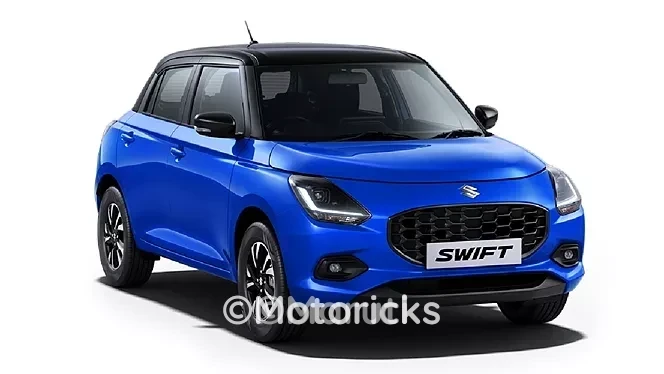
Rs. 5.84 - 8.89 Lakh
Maruti Suzuki Swift
Brand : Maruti Suzuki
View More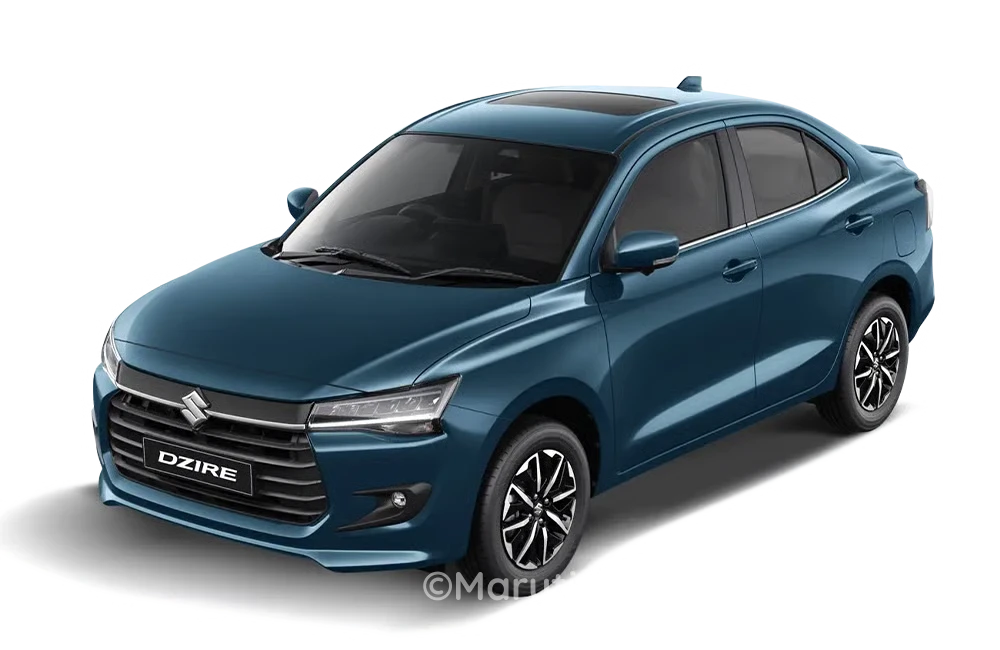
Rs. 6.31 - 9.54 Lakh
Maruti Suzuki Dzire
Brand : Maruti Suzuki
View More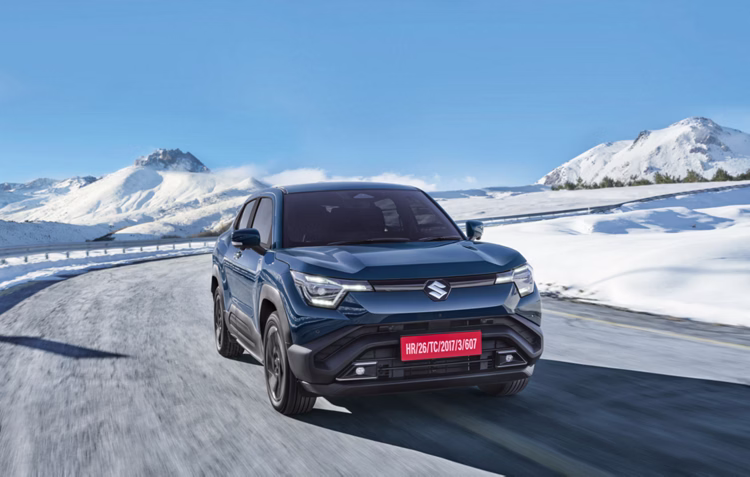
Rs. 15.99 - 20.79 Lakh
Maruti Suzuki e Vitara
Brand : Maruti Suzuki
View More
Rs. 5.99 - 9.99 Lakh
Maruti Suzuki Baleno 2026
Brand : Maruti Suzuki
View More
Rs. 8.30 - 15.88 Lakh
Maruti Suzuki Brezza 2026
Brand : Maruti Suzuki
View More
Rs. 10.50 - 19.99 Lakh